
"coffee defects removal"
2000 article(s) found

Ten types of defective beans
Before selecting defective beans, raw beans need to be screened in order to make the beans uniform in size. You can use three different sizes of special custom screen, or you can use the metal screen sold in general horticultural shops, but pay attention to the size. The purpose of sieving is to separate the size of beans and remove impurities. The next step is hand-selected. In order to improve the efficiency of hand selection, some props must be used, including

Understanding what is coffee defective beans classification of defective beans how to select defective beans
Professional coffee knowledge exchange more coffee bean information please follow the coffee workshop (Wechat official account cafe_style) about "coffee defective beans" the definition of the American Fine Coffee Association (SCAA) basically, the seeds produced by healthy coffee trees are washed, sunburned, fermented, dried and shelled, the whole post-processing process is flawless, and the color of coffee beans should be blue-green, light green or yellow.

Coffee basic knowledge boutique coffee beans several kinds of defective beans introduction
Moldy beans: because the drying is not complete, or in the transportation, storage process damp, and grow cyan, white mold, sometimes make beans stick together, if not remove these moldy beans, will produce mold odor. Dead beans: beans that bear abnormal fruit. The color is not easily changed by baking, so it is easy to distinguish. Flavor thin, with silver skin
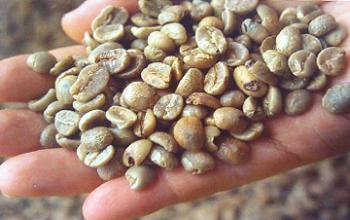
Detailed introduction of coffee beans: introduction of the classification characteristics and shapes of several kinds of defective beans
Coffee training several kinds of defective beans introduce moldy beans: because of incomplete drying, or damp during transportation and storage, cyan and white molds grow, which sometimes make the beans stick together. If these moldy beans are not removed, they will produce a moldy smell. Dead beans: beans with abnormal results. The color is not easy to change because of baking, so it is easy to distinguish. The flavor is thin, with silver skin

Introduction of Ten types of defective beans
Before selecting defective beans, raw beans need to be screened in order to make the beans uniform in size. You can use three different sizes of special custom screen, or you can use the metal screen sold in general horticultural shops, but pay attention to the size. The purpose of sieving is to separate the size of beans and remove impurities. The next step is hand-selected. In order to improve the efficiency of hand selection, some props must be used, including

Sun Yega Snow Coffee Taste Sunshine Yega Snow Flavor
There is a strict standard for collecting red fruits (as a result of coffee trees). Before exposure to coffee fruits, unripe green fruits or defective fruits are removed manually, and damaged or moldy fruits are removed during the sun drying process. after two weeks, the flesh sugar and essence seeped into the coffee beans, the water content was reduced to 12%, and then scraped off the hardened pulp, pectin layer and pods with a planer to remove the coffee.

Characteristics of taste and flavor of Yega Xuefei Coffee Bean hand Flushing difference and hierarchical system between G1and G2
How to describe the taste and flavor characteristics of Yega Chet Coffee the difference between G 1 and G 2 Yega Snow Coffee uses the oldest sun treatment, but in 1972, Ethiopia introduced Central and South American washing technology to improve its quality. it makes the jasmine and citrus aroma clearer and more refined, and has become one of the best beans in the world, thanks to the exquisite washing technology for 70 years.

Introduction of defective beans in coffee roasting
Moldy beans: because of incomplete drying, or damp in the process of transportation and storage, cyan and white molds grow, which sometimes make the beans stick together. If these moldy beans are not removed, they will produce moldy smell. Dead beans: beans with abnormal results. The color is not easy to change because of baking, so it is easy to distinguish. The flavor is thin, as harmful as silver skin, and will become a peculiar smell.

Grading according to the proportion of sieve and defective beans
Grading defective beans according to the ratio of sieve and defective beans is an important factor in destroying the flavor of the final coffee. Therefore, defective beans should also be removed in the final step of green bean processing. Therefore, according to the proportion of defective beans, supplemented by screen size is also used as a classification method. Due to the rise of the fine coffee trend, coffee producing countries are paying more and more attention to the quality of coffee. Controlling defective beans is the most important way.
Teach you how to select defective coffee beans from raw coffee beans
In the selection of defective beans, the most difficult to judge are fermented beans and unripe beans. At first glance, some are slightly yellow, or only slightly different, which makes it difficult to judge whether they should be removed or not. However, as long as there is hesitation, it should be eliminated without thinking. In short, the most important thing is to use the most perfect hand selection to make delicious coffee.

Sun-treated Yejia Xuefei Coffee beans introduce Fine Coffee
There is a strict standard for collecting red fruits (as a result of coffee trees). Before exposure to coffee fruits, unripe green fruits or defective fruits are removed manually, and damaged or moldy fruits are removed during the sun drying process. after two weeks, the flesh sugar and essence seeped into the coffee beans, the water content was reduced to 12%, and then scraped off the hardened pulp, pectin layer and pods with a planer to remove the coffee.

Introduction of Ten types of defective beans in the Common sense of Fine Coffee
Before selecting defective beans, raw beans need to be screened in order to make the beans uniform in size. You can use three different sizes of special custom screen, or you can use the metal screen sold in general horticultural shops, but pay attention to the size. The purpose of sieving is to separate the size of beans and remove impurities. The next step is hand-selected. In order to improve the efficiency of hand selection, some props must be used, including

Flavor characteristics of Yejiaxuefei Coffee beans Variety treatment Manor in producing area
The flavor characteristics of Yejiaxuefei coffee beans the variety processing method manor is like a small Jasper in Suzhou. Although it is petite, it is gentle and elegant, sweet and lovely, and it can attract thousands of favors without any modification. Medium-roasted Yega snow coffee has unique lemon, floral and honey sweet aromas, soft acidity and citrus flavors, fresh and bright on the palate. Sun plus snow coffee

How are coffee beans classified according to the proportion of sieve and defective beans?
The classification of defective beans according to the proportion of sieve and defective beans is an important factor to destroy the flavor of the final coffee. Therefore, defective beans should also be removed in the last step of raw bean processing. Therefore, according to the proportion of defective beans, supplemented by the size of the screen is also used as a way of classification. Due to the rise of boutique coffee, coffee producing countries pay more and more attention to the quality of coffee, and the control of defective beans is the most important way.

What are the broken beans in the defective beans of coffee? How is the broken bean formed?
Professional coffee knowledge exchange more caffeine beans information please pay attention to the coffee workshop (Wechat official account cafe_style) physical features: raw beans show broken, broken and other mechanical damage wounds, sometimes the edges will show black classification and defect score 5 broken beans count as an II defect. Effect in the cup: if there is mildew, there is obvious earthy smell, dirty taste, sour taste and hair.
Introduction of several kinds of defective beans
Moldy beans: because of incomplete drying, or damp in the process of transportation and storage, cyan and white molds grow, which sometimes make the beans stick together. If these moldy beans are not removed, they will produce moldy smell. Dead beans: beans with abnormal results. The color is not easy to change because of baking, so it is easy to distinguish. The flavor is thin, as harmful as silver skin, and will become different.
Introduction of several defective beans of Coffee beans
Moldy beans: because of incomplete drying, or damp in the process of transportation and storage, cyan and white molds grow, which sometimes make the beans stick together. If these moldy beans are not removed, they will produce moldy smell. Dead beans: beans with abnormal results. The color is not easy to change because of baking, so it is easy to distinguish. The flavor is thin, as harmful as silver skin, and will become a peculiar smell.

Coffee bean grade classification introduction of Brazilian coffee raw bean defect classification system
Professional coffee knowledge exchange more coffee bean information please follow the coffee workshop (Wechat official account cafe_style) front street-Brazilian coffee grading system introduction to Brazilian raw bean classification first coffee beans with parchment are shelled and removed by parchment machine. Workers then use vibration screening to grade coffee according to the density of raw beans. You know, density is an important measure of coffee quality.

Introduce several kinds of coffee defective beans
Moldy beans: because of incomplete drying, or damp in the process of transportation and storage, cyan and white molds grow, which sometimes make the beans stick together. If these moldy beans are not removed, they will produce moldy smell. Dead beans: beans with abnormal results. The color is not easy to change because of baking, so it is easy to distinguish. The flavor is thin, as harmful as silver skin, and will become different.

An introduction to the characteristics of boutique coffee in the manor area
The beans are small, neat and round. Ethiopian sun beans are generally G3--G5, but the beans are G2, equal to the grade of washed beans. Although there are still a few defective beans, they are commendable compared to the sun beans of Harald and Sidamo. The 2015 sun Yega snow caffeine has appeared in the G1 grade, surpassing the G1 washing in terms of quality and sales. This bean is baked